Success creates its own complications. A company that has spent decades perfecting its products, strengthening customer relationships, and establishing a reliable business model may eventually discover that the very practices responsible for its growth are limiting its next phase of development. Markets mature, customer expectations change, new competitors emerge, and technologies alter the economics of established industries. What once differentiated a business can gradually become an assumption that prevents it from moving forward.
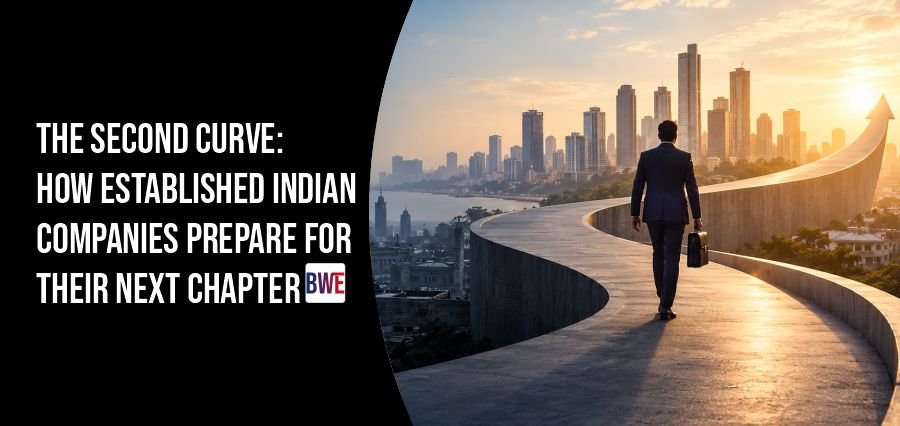
For established Indian companies, this challenge is particularly significant. As India’s economy expands and competition intensifies across manufacturing, financial services, retail, healthcare, technology, and consumer markets, business longevity increasingly depends on the ability to reinvent without abandoning what made an organisation successful. Preparing for the next chapter requires more than launching a new product or entering another market. It demands a deliberate effort to build a second curve of growth before the first begins to flatten.
Recognising When Success Starts to Slow
The early signs of business stagnation are not always dramatic. Revenue may continue to increase, customer relationships may remain stable, and operations may appear healthy. Yet, underneath these reassuring indicators, the sources of future growth can begin to weaken.
A company may depend too heavily on a small group of established products, serve customers whose needs are changing, or rely on operational systems designed for an earlier stage of expansion. Internal decision-making may also become slower as organisations grow more complex and established practices become difficult to question.
The danger lies in mistaking current performance for future security.
Visionary business leaders recognise that a company’s next phase should be planned while the existing business remains strong enough to support experimentation. Waiting until sales decline or competitors establish an advantage can leave organisations with fewer resources and less time to respond.
Reinvention Begins With Difficult Questions
Preparing for a second curve starts with reassessing the assumptions that guide the business. Which customer needs are changing? Which capabilities will become more valuable over the next decade? Where is the organisation relying on historical success rather than present-day evidence? What would a new competitor do differently if it entered the market today?
These questions require leaders to look beyond familiar performance indicators. Existing revenue streams remain important, but they must be evaluated alongside future demand, competitive positioning, and the company’s ability to respond to disruption.
For example, a traditional manufacturer might explore automation, advanced materials, or higher-value product categories. A financial services company could strengthen digital capabilities and develop services for underserved customers. A retailer might rethink its relationship with customers by combining physical outlets, digital commerce, and personalised service.
The appropriate response will differ across industries. The underlying principle, however, remains consistent: the next stage of growth should emerge from a clear understanding of how markets are changing and where the company can create distinctive value.
Protecting the Core While Building Something New
One of the most difficult decisions in corporate reinvention is determining how much attention and capital should be directed towards the existing business and how much should support new opportunities.
The established business generates revenue, employs people, and sustains customer relationships. Neglecting it in pursuit of an ambitious transformation can weaken the organisation before new ventures become commercially viable. Yet, allocating every available resource to current operations can leave the company unprepared for future changes.
Effective leaders approach this as a portfolio decision. The existing business must continue improving its efficiency, quality, and customer experience, while carefully selected initiatives explore new sources of growth.
This requires clear investment criteria, realistic milestones, and the willingness to discontinue projects that fail to demonstrate meaningful potential. Not every experiment will succeed, and not every emerging technology will justify adoption.
The objective is to create a disciplined environment in which innovation receives sufficient resources without becoming an excuse for uncontrolled spending. A second curve should strengthen the organisation’s future, not undermine the business that makes that future possible.
Building Beyond the Next Milestone
Ultimately, the second curve represents a shift in how established companies think about success. Protecting market share and maintaining profitability remain essential, but they must be accompanied by a willingness to create new capabilities, question familiar assumptions, and prepare for markets that may look very different from today’s.
For Indian businesses, this opportunity extends across established industrial groups, family-owned enterprises, consumer brands, financial institutions, and technology companies. Their existing strengths provide a foundation, but future relevance will depend on how intelligently those strengths are applied to emerging needs.
The most enduring companies do not wait for their current model to fail before imagining what comes next. They use periods of stability to experiment, invest, develop talent, and prepare for change while retaining the discipline that made them successful.
A company’s first curve demonstrates its ability to build something valuable. The second reveals whether it can continue creating value as circumstances evolve. For established Indian businesses, the real measure of leadership lies not simply in protecting yesterday’s achievements, but in ensuring that today’s success becomes the foundation for tomorrow’s possibilities.