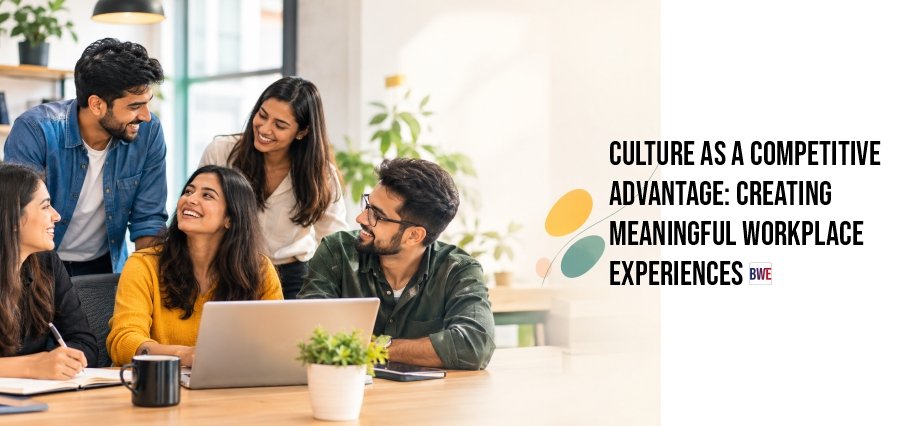
For decades, organizations competed through products, pricing, technology, and market reach. While these factors continue to influence business success, an increasingly important differentiator has emerged from within the organization itself: culture. In an era where talent, innovation, and adaptability drive growth, workplace culture has become more than an internal consideration. It has become a strategic advantage.
Culture influences how employees think, collaborate, solve problems, and engage with their work. It shapes the employee experience and ultimately affects customer satisfaction, organizational performance, and long-term sustainability. Companies that invest in creating meaningful workplace experiences are discovering that culture is not simply a reflection of their values. It is a powerful asset that can strengthen competitiveness and drive lasting success.
Understanding Workplace Culture
Workplace culture represents the collective values, beliefs, behaviors, and practices that define how an organization operates. It influences everything from communication and decision-making to leadership styles and employee relationships.
Culture is not limited to mission statements displayed on office walls. It is reflected in daily interactions, the way challenges are addressed, how employees are recognized, and the level of trust that exists throughout the organization.
Employees experience culture through the environment they work in every day. When that experience is positive, people are more likely to feel connected to their work, committed to organizational goals, and motivated to perform at their best.
Why Meaningful Experiences Matter
Today’s workforce is seeking more than a paycheck. Employees increasingly value purpose, growth opportunities, flexibility, recognition, and a sense of belonging. They want to work for organizations where they feel respected and where their contributions make a difference.
Meaningful workplace experiences help fulfill these expectations. When employees feel valued, they are more likely to remain engaged, contribute innovative ideas, and develop stronger emotional connections with the organization.
Organizations that fail to create positive experiences often face higher turnover, reduced productivity, and challenges in attracting top talent. In contrast, companies that prioritize employee experience frequently benefit from stronger retention rates, improved morale, and enhanced organizational performance.
The employee experience has become a critical factor in determining whether talented professionals choose to stay, grow, and contribute over the long term.
The Leadership Connection
Culture begins with leadership. Employees closely observe the behaviors, decisions, and priorities demonstrated by leaders at every level of the organization.
Leaders who consistently communicate with transparency, demonstrate integrity, and show genuine concern for employee well-being contribute to stronger workplace cultures. Their actions establish expectations and influence how employees interact with one another.
Effective leaders understand that culture cannot be mandated through policies alone. It is built through daily actions and reinforced through consistent behavior.
When leaders create environments where employees feel heard, respected, and trusted, they strengthen engagement and encourage a culture of collaboration. Trust becomes the foundation upon which meaningful workplace experiences are built.
Building a Culture of Belonging
One of the most powerful aspects of workplace culture is the sense of belonging it creates. Employees want to feel that they are part of something larger than themselves and that their contributions matter.
Organizations can strengthen belonging by encouraging collaboration, supporting diversity of thought, and creating opportunities for employees to participate in decision-making processes.
Recognition also plays a vital role. Acknowledging achievements, celebrating contributions, and expressing appreciation reinforce the value employees bring to the organization.
When people feel seen and appreciated, they are more likely to develop stronger emotional connections with their work and with the teams around them.
Belonging fosters loyalty, strengthens teamwork, and contributes to a more positive and productive workplace environment.
Learning and Growth as Cultural Drivers
Meaningful workplace experiences often include opportunities for continuous learning and professional development. Employees want to know that their organizations are invested in their growth.
Companies that prioritize development create cultures where learning is encouraged, skills are strengthened, and career advancement becomes achievable.
Mentorship programs, leadership development initiatives, training opportunities, and knowledge-sharing practices help employees expand their capabilities while increasing organizational resilience.
A learning-oriented culture also encourages adaptability. As industries evolve and new challenges emerge, employees who continuously develop their skills are better prepared to contribute innovative solutions and navigate change effectively.
Culture and Organizational Performance
A strong workplace culture influences far more than employee satisfaction. It directly impacts business outcomes.
Organizations with healthy cultures often experience higher levels of productivity, stronger collaboration, improved customer service, and greater innovation. Employees who feel connected to their organization’s mission are more likely to take ownership of their work and contribute beyond minimum expectations.
Culture also affects how organizations respond to adversity. During periods of uncertainty or transformation, strong cultures provide stability and alignment. Employees are more likely to support change initiatives when trust and communication are already established.
In many cases, culture becomes the factor that determines whether organizations can successfully execute their strategies and sustain growth over time.
Looking Ahead
In the face of mounting challenges, workplace culture will play an increasingly decisive role in organizational success. Competitive advantage cannot simply be based on products or services or positioning anymore. Increasingly, it is defined through the experiences that organizations offer their people.
Organizations that offer such experiences develop connections, foster innovation, and provide the environment that allows individuals to flourish. And in doing all of this, they create cultures that not only serve organizational purposes but are committed and excellent.
In essence, the culture is about much more than just an internal process. It is a strategic capability that affects everything about organizational success.