Recovery is personal. No two people face addiction or mental health challenges in the same way, so the right rehab option should match real-life needs, responsibilities, and support systems.
Let us break down the main kinds of rehab centers so you can understand what they offer, who they help, and how each pathway supports long-term recovery.
A rehab center provides structured treatment to help people manage substance use disorders, behavioral addictions, and related mental health issues. Treatment blends medical care, counseling, education, skill building, and community support. The goal is simple. Help people build stability and reclaim control over daily life.
Rehab is not a quick fix. It is a guided process that includes detox (if needed), therapy, relapse prevention, and aftercare. Different settings provide different levels of intensity. That is why choosing the right type matters.
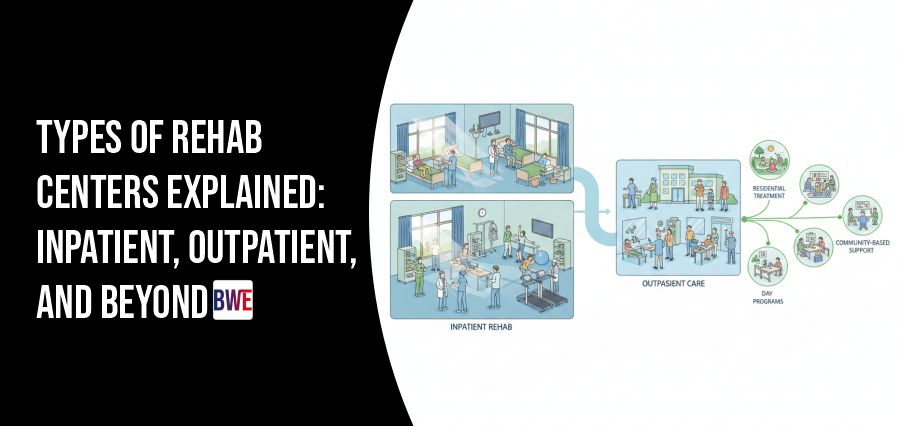
Inpatient rehab is also called residential rehab. Patients live at the facility for the duration of treatment. This environment removes everyday triggers and provides round-the-clock supervision.
Typical stays range from 28 days to several months. A structured daily schedule keeps recovery front and center. Activities usually include:
Inpatient care is ideal when a person:
The controlled setting reduces temptation and creates a safe pause from outside pressures. Many people find that this protected space allows the brain and body to stabilize before real rebuilding begins.
Benefits include strong structure, intensive therapy, and constant access to professional care. The main challenges are cost and time away from work or family. Some facilities offer scholarships or payment plans, so it is always worth asking.
Outpatient rehab allows individuals to live at home and attend scheduled treatment sessions during the week. It ranges from a few hours weekly to more intensive formats.
Outpatient programs still provide counseling, relapse prevention, and peer support, but without overnight stays.
This path works well for people who:
Outpatient care allows people to practice recovery skills in real time while staying connected to normal routines.
Outpatient rehab is generally more affordable and offers flexibility. However, triggers and access to substances remain close. Strong commitment and honest communication with counselors are essential.
An Intensive Outpatient Program (IOP) offers more hours than standard outpatient care without requiring residential living. Participants attend several sessions per week, often three to five days.
IOPs provide deeper structure but still allow work and family responsibilities.
People who need more support than traditional outpatient programs provide, but who do not require full inpatient supervision, often thrive here. IOPs are also a common step-down after residential rehab.
Partial Hospitalization Programs (PHPs) provide the highest level of outpatient care. Participants spend most of the day in treatment, similar to inpatient intensity, then return home at night.
PHPs are ideal for individuals with complex medical or psychological needs who still have safe homes and strong supervision outside program hours.
Many substances cause intense withdrawal symptoms. A medical detox center offers short-term, supervised withdrawal support. Doctors help manage symptoms, monitor health, and reduce risk.
Detox alone is not treatment. It prepares the body and mind so long-term rehab can work.
Sober living homes are residences where people live in recovery-focused environments after formal treatment. They include rules, drug testing, house responsibilities, and peer accountability.
The transition from rehab to everyday life can feel overwhelming. Sober homes act as a bridge, helping people strengthen habits before moving back into full independence.
Some centers design programs around specific populations. These may include:
Specialized programs recognize that identity, trauma history, and life roles influence recovery. Tailored environments can improve comfort and honesty.
Regardless of setting, most rehab centers use evidence-based therapies such as:
Holistic options may be included, like mindfulness training, yoga, expressive arts, or exercise routines. These support whole-person healing.
Selecting a rehab center can feel heavy. A thoughtful assessment helps clarify direction.
Ask these key questions:
Speaking with a qualified addiction counselor or physician is valuable. Many centers also provide free assessments to guide the decision.
Rehab is not the finish line. It is the training ground. Long-term recovery usually includes:
Aftercare keeps momentum going and reduces the risk of slipping back into old patterns.
Every type of rehab exists for a reason. Some people need the full security of inpatient treatment. Others rebuild through outpatient support while staying connected to everyday responsibilities. Many benefit from structured steps like IOPs, PHPs, detox programs, or sober living along the way.
Recovery is possible. With the right environment, compassionate guidance, and consistent effort, individuals can learn to manage cravings, heal relationships, and rebuild purpose.
If you or someone you care about is struggling, reaching out to a qualified professional is a powerful first step. You do not have to navigate this journey alone.