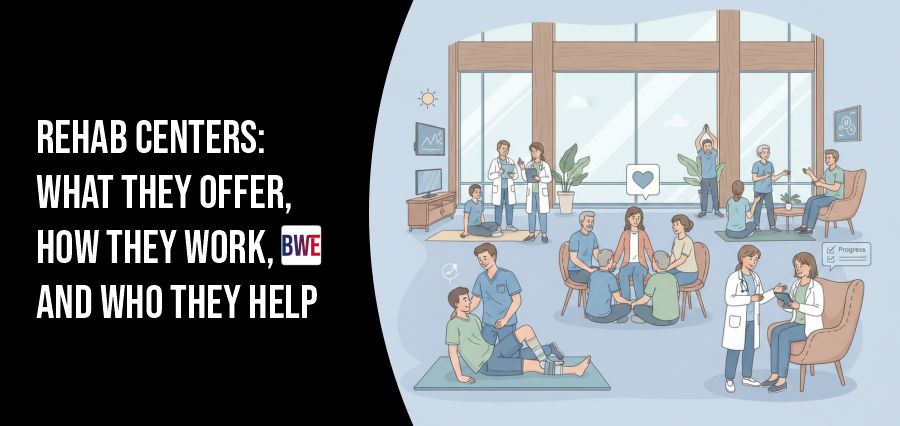
Addiction, trauma, and mental health struggles can make life feel heavy and unpredictable. Many people reach a point where change is needed, but doing it alone feels impossible. This is where rehab centers step in. They provide structure, support, and science backed care so that recovery becomes realistic instead of overwhelming.
Let us break it down in a simple and practical way.
A rehab center is a place where individuals receive professional treatment for substance use disorders, behavioral addictions, and mental health issues. The goal is not only sobriety. The deeper goal is long term healing, self awareness, and skills that help someone rebuild life.
Rehab centers combine therapy, medical care, education, and lifestyle coaching into a guided program. The environment is safe, structured, and focused on healing. People come in during some of their most vulnerable moments, and they leave with tools that support healthier choices.
Rehab centers vary, but most programs share core services designed to support recovery from every angle.
Many individuals need detox before therapy begins. Detox is the process of clearing substances from the body under medical supervision. Withdrawal can be difficult and even dangerous. A clinical team monitors symptoms, reduces discomfort, and ensures safety. Once the body stabilizes, the mind is more prepared for deeper work.
One on one counseling helps people explore root causes. This may include trauma, stress, family dynamics, or unresolved grief. Therapists use approaches like Cognitive Behavioral Therapy, Motivational Interviewing, and trauma informed care. The goal is insight and healing, not guilt or shame.
Recovery thrives in community. Group sessions help people realize they are not alone. They practice communication, accountability, empathy, and encouragement. Group therapy often becomes one of the most powerful parts of rehab.
Addiction affects everyone in the household. Many rehab centers offer family therapy, education programs, and communication training. Families learn healthier boundaries and ways to support recovery without enabling harmful behavior.
Many individuals in treatment live with dual diagnosis, meaning addiction plus a mental health disorder such as anxiety, depression, PTSD, or bipolar disorder. Integrated psychiatric care helps treat both conditions together so recovery is sustainable.
Recovery does not end at sobriety. Rehab centers often teach budgeting, job readiness, stress management, sleep routines, nutrition, and communication skills. These everyday tools help prevent relapse and support independence.
A major focus of every program is relapse prevention. Clients learn to recognize triggers, manage cravings, build support networks, and create personal action plans for real world situations.
Different people need different levels of care. Rehab centers design programs based on safety needs, severity of addiction, and lifestyle factors.
Inpatient rehab requires staying at the center full time. This is ideal for severe addiction, high relapse risk, or unsafe environments at home. The benefit is full focus on recovery without distractions.
Outpatient rehab allows individuals to live at home and attend therapy several times per week. This option works for people with strong support systems and less severe addictions.
These programs sit between inpatient and standard outpatient care. They offer structured therapy hours while still allowing individuals to return home each day.
After treatment, some people move into sober living homes. These are supportive environments where residents practice responsibility, accountability, and independence while staying sober.
People often imagine rehab as strict or clinical. In reality, most centers create a calm, routine based environment designed to reduce chaos. A typical day might include:
Structure creates safety. Over time, individuals begin to replace destructive habits with healthier ones.
Rehab is not only for severe addiction cases. Many people benefit, including:
Even someone who thinks they are functioning well but feels controlled by substances can gain clarity and relief through rehab support.
Several misconceptions stop people from seeking help.
Truth: Asking for help is an act of strength. It takes courage to face reality and do the work required to heal.
Many people benefit from early intervention. Waiting until life collapses makes recovery much harder.
Rehab is not magic. It is a guided process that builds habits, awareness, and community support. Long term recovery continues after discharge through therapy, support groups, and lifestyle change.
The right environment can make a significant difference. When evaluating options, look for:
Reading reviews, speaking with staff, and asking questions helps build trust and confidence in the decision.
Life after treatment is where new habits truly matter. Many centers provide aftercare such as alumni groups, continued therapy, or check ins. Support networks, community meetings, meaningful hobbies, and healthier routines reinforce progress.
A relapse does not mean failure. It signals that more tools or support may be needed. Recovery is a journey, not a single event. Each step builds resilience.
When individuals heal, families stabilize. Workplaces improve. Relationships grow stronger. Children gain safer environments. Communities benefit from lower crime rates, lower healthcare costs, and more people living productive lives. Rehab is not only personal. It is social healing.
Addiction and mental health challenges can feel isolating, but help exists. Rehab centers offer guidance, support, medical care, and hope grounded in real strategies. People walk in unsure. They leave with awareness, confidence, and tools they can carry for life.
If you or someone you care about is struggling, exploring rehab is a meaningful step. Recovery is possible. A healthier future is possible. The decision to reach out can become the turning point that changes everything.